Best Creams for Dark Spots and Uneven Skin Tone
Uneven skin tone and dark spots can affect how you feel about your complexion. This article highlights five dermatologist-friendly creams designed to help even out tone, reduce the appearance of dark spots, and boost radiance. Each option below is evaluated for key ingredients, user benefits, and suitability for different skin types, without resorting to harsh chemicals. Use this guide to compare formulations and choose the best match for your skin needs.
| Product | Brand | Key Benefit |
|---|---|---|
| Palmer’s Skin Success Anti-Dark Spot Fade Milk | Palmer’s | Even skin tone, gentle fade, no hydroquinone |
| Palmer’s Cocoa Butter Eventone Fade Cream | Palmer’s | Discoloration correction, brightening without hydroquinone |
| Roseblem Arbutin 7% + Tranexamic Acid 4% Cream | Roseblem | Arbutin and TXA synergy for pigmentation reduction |
| Medix 5.5 Vitamin C Cream Body | Medix 5.5 | Radiance boost, hydration, evening skin tone |
| Dove Niacinamide + Vitamin C Cream Serum | Dove | Visible improvement in tone and texture |
Palmer’s Skin Success Fade Milk Lotion
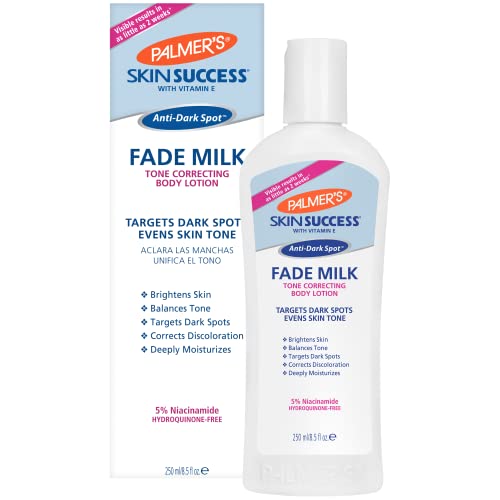
Palmer’s Skin Success Anti-Dark Spot Fade Milk Body Lotion targets discoloration while improving skin suppleness. This formula emphasizes tone correction without hydroquinone and avoids parabens, phthalates, sulfates, MI, or dyes. It is designed to support even skin tone across the body and help reduce the appearance of fine lines, presenting a brighter, more radiant look over time. The product aligns with Palmer’s reputation for cocoa butter-based hydration and sustainable, gentle skincare.
Palmer’s Cocoa Butter Eventone Fade Cream

This fade cream combines cocoa butter with vitamins E and niacinamide to address dark spots and age spots while supporting skin elasticity. It is formulated for all skin types and emphasizes a radiant complexion through corrected discoloration. The absence of hydroquinone, parabens, phthalates, sulfates, MI, or dyes makes it a gentle option for daily use, with a focus on nourishing ingredients like shea and coconut oils.
Roseblem Arbutin 7% + Tranexamic Acid 4% Cream
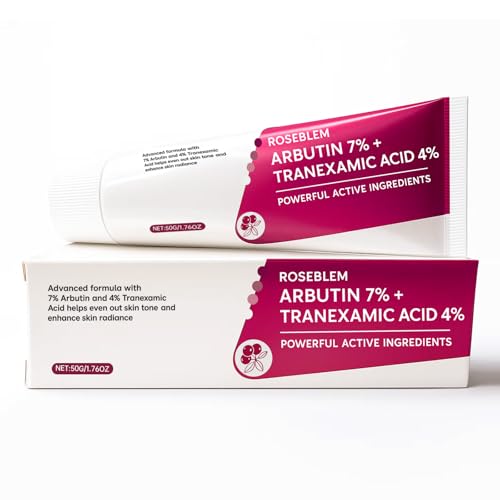
Roseblem combines 7% arbutin with 4% tranexamic acid to dampen pigment production and visibly reduce discoloration around delicate areas such as the eyes. The formula emphasizes deep hydration and barrier support to prevent dryness, offering a non-irritating option for sensitive skin. Consistent use is suggested to see noticeable improvements in tone and clarity, with a focus on a smoother, more even complexion over time.
Medix 5.5 Vitamin C Cream Body Lotion

Medix 5.5 Vitamin C Cream combines antioxidant-rich vitamin C with shea butter, aloe, ferulic acid, turmeric, vitamin E, and glycerin. The product aims to brighten dull or uneven skin and reduce the look of dark spots while delivering rich hydration. The velvety texture provides a non-greasy finish, making it suitable for daily use on both body and skin prone to pigmentation concerns.
Dove Body Cream Serum Niacinamide + Vitamin C

Dove’s serum-infused body cream combines niacinamide with vitamin C to support skin’s natural renewal processes. Clinically tested for efficacy, it targets visible improvements in texture and tone, offering a smoothing effect from first use and progressive fading of dark spots over time. This option emphasizes a balanced hydration approach that works across skin types without an overly heavy feel.
Buying Guide: Key Purchase Considerations
Active ingredients and their effects
Arbutin, tranexamic acid, niacinamide, and vitamin C are common actives for brightening and pigmentation reduction. Arbutin inhibits pigment production, tranexamic acid helps regulate pigment distribution, niacinamide supports barrier function and reduces discoloration, and vitamin C promotes radiance and antioxidant protection. Consider a formulation that combines ingredients with complementary actions to address both spot fading and overall tone.
Skin type and tolerance
Hydrating formulas with ceramides, ceramides, shea butter, or cocoa butter are ideal for dry or sensitive skin. Lighter gel-cream textures may suit oily or combination skin but can still deliver pigment-fighting results if they include stable vitamin C or niacinamide. Always patch-test new products to gauge irritation or sensitivity.
Hydration vs. fade balance
Some products prioritize fading pigment more aggressively, potentially increasing dryness. Others emphasize deep hydration to support barrier health while gradually improving tone. Choose a product that aligns with your daily routine and skin’s hydration needs to maintain comfort during usage.
Fragrance, dyes, and preservatives
Many fade creams avoid hydroquinone and harsh additives but may include fragrance or preservatives that irritate sensitive skin. If you have sensitive skin, look for fragrance-free options and products formulated with gentle, dermatologist-approved ingredients.
Usage guidelines and consistency
Pigment correction takes time. Most products show noticeable changes after several weeks of consistent use. Apply sunscreen daily to protect treated areas, as UV exposure can worsen pigmentation. If irritation occurs, discontinue use and consult a dermatologist.
Accessibility and lifestyle fit
Body-focused formulas like fade milks and body creams can be convenient for full-body application. For targeted facial concerns, consider products specifically designed for facial use or multi-use items like the roseblem arbutin cream, which can support both face and neck areas with a similar active profile.