Best Vitamin C Serums for Face: Five Options for Brighter-Looking Skin
The best vitamin C serum for your face depends on your priorities: Vichy LiftActiv is a fragrance-free option, HKH capsules suit travel, and Skin Deva and Dr. Brenner offer formulas listing 20% vitamin C. TruSkin uses sodium ascorbyl phosphate, a different vitamin C form. The comparison below highlights each formula’s stated ingredients, format, and limitations so you can narrow your choice by routine and skin preferences.
| Product | Best for | Notable detail |
|---|---|---|
| Vichy LiftActiv Vitamin C | Fragrance-free routines | Lightweight formula; allergy tested |
| HKH Vitamin C Capsules | Travel and single doses | Pre-measured, sealed capsules |
| Skin Deva 20% Vitamin C | Hydration support | Includes hyaluronic acid and panthenol |
| TruSkin Brightening Serum | A gentler vitamin C format | Uses sodium ascorbyl phosphate |
| Dr. Brenner Vitamin C Serum | Pure L-ascorbic acid formulas | Lists 20% vitamin C and supporting ingredients |
Vichy LiftActiv Vitamin C Serum
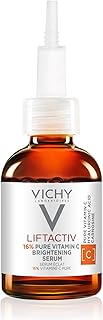
Best for: Shoppers who want a lightweight, fragrance-free face serum and prefer a formula described as allergy tested. Vichy says its LiftActiv serum is designed to support radiance and help address the visible effects of environmental aggressors, including discoloration associated with pollution.
The product information describes an 11-ingredient formula with an antioxidant complex and an applicator intended to help prevent contamination. It also reports visible radiance results in 10 days, but individual results can vary.
Limitation: The product title and description give different vitamin C percentages, so check the current package label if concentration is a deciding factor.
HKH Vitamin C Serum Capsules

Best for: Travelers and people who like a measured, single-use skincare dose. HKH provides 48 individually sealed capsules and mini scissors for opening them. The brand says each capsule contains enough serum for the face and neck, reducing the need to estimate an amount from a bottle.
The listing describes vitamin C and vitamin E, and says the serum is intended to support the appearance of smoother, firmer skin. Individual packaging also limits repeated exposure to air, which can be useful for a portable routine.
Limitation: Capsules create more packaging than a standard bottle and require opening before use. The listing also refers to retinol, so review the package ingredient list if avoiding retinol or checking for sensitivities.
Skin Deva 20% Vitamin C Serum

Best for: Buyers seeking a listed 20% vitamin C formula with ingredients for hydration support. Skin Deva names hyaluronic acid, vitamin E, and ferulic acid in the product title; its details also mention sodium hyaluronate and panthenol to help skin feel soft and hydrated.
The lightweight serum is described as quick-absorbing and suitable for layering under moisturizer and sunscreen. The brand recommends using it within approximately three months after opening for freshness.
Limitation: The listing notes that the serum can range from clear to light yellow and may change color over time. Vitamin C can oxidize, so follow the product’s storage and freshness guidance and inspect the formula before use.
TruSkin Brightening Vitamin C Serum

Best for: Shoppers comparing vitamin C derivatives or looking for a formula that pairs brightening ingredients with hydration support. TruSkin uses sodium ascorbyl phosphate rather than pure L-ascorbic acid. The brand describes this form as stable and says it may be less irritating than harsher vitamin C serums.
The formula also lists hyaluronic acid, vitamin E, aloe vera, and jojoba oil. These ingredients are included to support moisture and comfort while the serum targets the appearance of uneven tone, dark spots, and fine lines.
Limitation: This is not a 20% pure L-ascorbic acid serum. Choose it if the listed derivative and accompanying moisturizing ingredients fit your preferences; avoid it if you specifically want that form and concentration.
Dr. Brenner 20% Vitamin C Serum

Best for: Buyers specifically comparing products labeled with 20% pure L-ascorbic acid. The product name also lists ferulic acid, vitamin E, and hyaluronic acid, making it an option for shoppers seeking a combination of vitamin C and supporting ingredients.
The provided product information is limited, so it does not establish texture, fragrance, skin-type suitability, or usage directions. Check the current label for the full ingredient list and application guidance before adding it to a routine.
Limitation: The listing provides only a brief feature description. It offers less detail for comparing use and skin feel than the other products in this guide.
Buying Guide: How To Choose A Vitamin C Serum
Which form of vitamin C should you look for?
Check the ingredient label, not just the words “vitamin C” on the front. These products include pure L-ascorbic acid and sodium ascorbyl phosphate. The formulas are not identical, and the listed products differ in concentration and supporting ingredients. If you have sensitive skin, introduce a new active gradually and stop using it if irritation develops.
Does concentration matter?
Concentration is one comparison point, but it is not the only one. Skin Deva and Dr. Brenner list 20% vitamin C; TruSkin emphasizes a vitamin C derivative without stating a percentage in the supplied features. Vichy’s supplied title and description conflict on percentage, so verify its package. Choose based on the full formula and your tolerance, not the number alone.
What format fits your routine?
A bottle is convenient for regular home use, while sealed HKH capsules are designed for pre-measured doses and travel. Consider whether you prefer a single-use package, want a serum that layers under moisturizer and sunscreen, or need detailed ingredient information before purchase.
How should you think about freshness and storage?
Vitamin C products may change color as they oxidize. Skin Deva notes that clear-to-light-yellow variation can occur and recommends use within approximately three months after opening. Follow each product’s label directions and storage guidance, and do not assume every color change means the same thing across formulas.
Frequently Asked Questions
Can vitamin C serum help with the look of dark spots?
Several products here are marketed to improve the appearance of dark spots or uneven tone. Results vary, and a serum should not be treated as a guaranteed treatment for discoloration.
Can I use vitamin C serum with sunscreen?
TruSkin and Skin Deva describe their serums as suitable for layering under sunscreen. Follow the product label, and use sunscreen as directed during daytime routines.
Which option is best for travel?
HKH is the travel-focused option in this selection because it comes in individually sealed, pre-measured capsules and includes mini scissors.
Which product lists a vitamin C derivative?
TruSkin lists sodium ascorbyl phosphate, a form different from pure L-ascorbic acid.
Should I patch test a new vitamin C serum?
Patch testing can help you check how your skin responds before applying a new product more broadly. Follow the product directions and consult a dermatologist if you have persistent irritation or specific skin concerns.