Best Primer for Redness: Smooth, Neutralize, and Prolong Makeup
Redness can affect complexion even before makeup is applied. This guide highlights top primers designed to neutralize redness, create a smooth base, and extend wear. Each option offers different science-backed ingredients—such as niacinamide, cica, and green color correctors—so you can choose based on skin type and concerns. Below, five standout primers are reviewed with objective details to help you compare performance, finish, and suitability for sensitive or reactive skin.
| Product | Brand |
|---|---|
| Elizabeth Mott Thank Me Later Color Correcting Face Primer | Elizabeth Mott |
| Smashbox The Original Photo Finish Smooth & Blur Primer | Smashbox |
| e.l.f. Tone Adjusting Primer | e.l.f. |
| L’Oréal Paris Prime Lab Redness Eraser Primer | L’Oréal Paris |
| Maybelline Face Studio Master Prime | Maybelline |
These picks focus on green-tinted or redness-targeting primers that balance tone, smooth texture, and improve makeup longevity. Each product section includes a quick snapshot of offerings and how they approach redness, with a practical sense of suitability for various skin types, including sensitive or dry skin. This compilation aims to provide an objective comparison to support informed purchasing decisions.
Elizabeth Mott Thank Me Later Color Correcting Face Primer

The Elizabeth Mott primer blends Korean-inspired skin-calming ingredients with a green-toned color corrector to address facial redness. It is described as cruelty-free and Leaping Bunny approved, with Niacinamide, Cica, Ceramides, and Hyaluronic Acid working to soothe, moisturize, brighten, and support the skin barrier. The green tint helps neutralize redness while promoting a hydrated, radiant base for makeup wear. This multi-tasking formula targets uneven tone and redness without a heavy or greasy feel, making it suitable for various skin types, including dry and sensitive complexions.
Smashbox The Original Photo Finish Primer

This primer is designed to instantly smooth skin texture and blur the appearance of pores and fine lines, creating a refined canvas for makeup. It acts as a protective barrier, helping to shield skin from environmental pollutants and stress while providing a clean base for long-lasting wear. While not specifically green-tinted, its blurring and smoothing capabilities help even out redness visually by reducing minute irregularities and creating a uniform surface for foundation. It aims to improve makeup longevity and overall finish without a heavy or sticky feel.
e.l.f. Tone Adjusting Face Primer

The e.l.f. Tone Adjusting Primer uses a green-tinted base to neutralize redness, paired with a skin-smoothing formula that aims for a silky, lightweight feel. It is marketed as suitable for all skin types and is vegan and cruelty-free. This option emphasizes a versatile, budget-friendly approach that helps create an even-toned base, enabling makeup to grip more effectively and last longer without heavy fragrance or irritants that could trigger sensitivity.
L’Oréal Paris Prime Lab Redness Eraser Primer
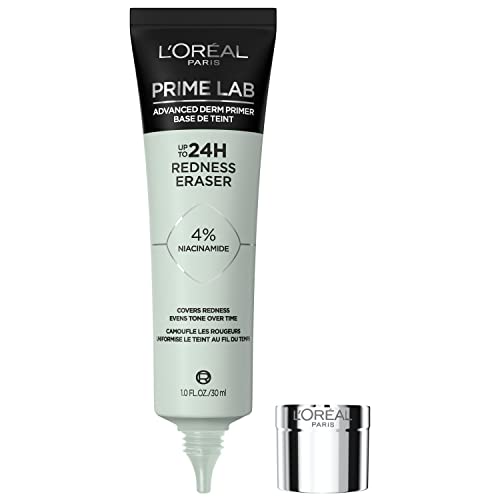
This primer is positioned as a derm-inspired option with Niacinamide to address redness and a range of primers designed to refine skin texture. It claims to extend makeup wear for up to 24 hours, with non-comedogenic and paraben-free attributes. The formula targets redness while smoothing and blurring the skin for a more uniform complexion, making it a solid choice for those seeking a long-wear solution with a clinical-like edge in a drugstore format.
Maybelline Face Studio Master Prime
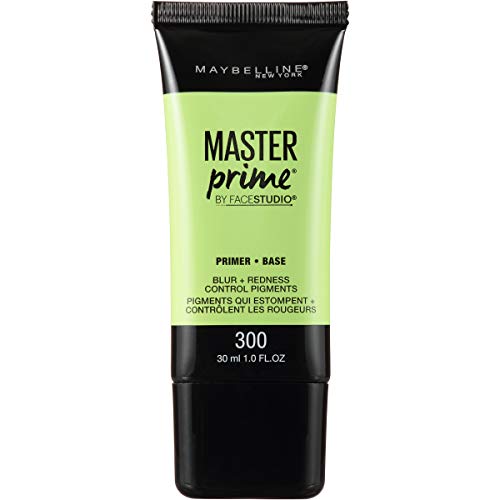
This redness-control primer uses pigments to counteract redness and create an even-toned base. It is dermatologist- and allergy-tested and designed to be non-greasy, helping to smooth the skin and blur imperfections before foundation. The product positioning supports both standalone wear and as a makeup primer within a broader Maybelline line of complexion products, offering a lightweight option that blends well for those seeking a breathable base with redness management.
Buying Guide: Key Considerations For Redness-Prone Skin
Choosing the right primer for redness involves balancing color-correcting needs, skin type, and desired finish. Here are core considerations and practical comparisons to help you decide:
Color Correction vs. Coverage
Green-tinted primers neutralize redness at the color level, while clear or skin-tone primers provide coverage through pigments and smoothing properties. If redness is prominent, a green-tinted option can reduce visible redness without heavy makeup. For more subtle correction, a neutral or subtle beige primer may be sufficient.
Skin Type and Sensitivity
For dry or sensitive skin, prioritize hydrating formulations with ingredients like niacinamide, ceramides, and hyaluronic acid. For oily or combination skin, seek oil-free, lightweight primers that blur without adding shine. Always consider fragrance-free options if you have sensitive or reactive skin.
Ingredients That Help Redness
Niacinamide helps with barrier support and reduces redness, while soothing agents like Cica (centric to calm inflamed skin) can improve comfort. Look for antioxidants and humectants that support moisture retention and reduce the risk of irritation.
Longevity And Finish
Primers vary in longevity from 8 to 24 hours depending on the formula and environment. Gel-cream textures often suit drier skin, while mattifying bases stabilize makeup for longer wear. Consider whether you want a blurring effect, a brightening finish, or a natural look when selecting a product.
Allergy and Dermatologist Insight
Allergy-tested and dermatologist-tested products may reduce irritation risk for sensitive skin. If you have known sensitivities, review the ingredient list for potential irritants and perform a patch test before full-face use.
Application Tips
Apply a pea-sized amount to the center of the face and blend outward. Focus on areas with redness or uneven tone, and allow a moment for the primer to set before applying foundation. For best results, pair with a foundation that matches your undertone and skin type.