Best Carrier Oils for Acne: Gentle, Non-Comedogenic Options for Clearer Skin
Acne-prone skin often responds well to non-comedogenic carrier oils that offer hydration without clogging pores. The following selections focus on oils with soothing, balancing properties that may support clearer skin when used as part of a routine. This guide highlights five options commonly used in acne care, with notes on their benefits and application tips. Each product is chosen for its purity, cold-pressed processing, and suitability for facial use.
Summary of Selected Products
| Product | Brand | Key Benefit For Acne | URL |
|---|---|---|---|
| Cliganic Organic Jojoba Oil, 4oz | Cliganic | Moisturizing, non-greasy feel; similar to skin’s natural oils | View |
| Fiora Naturals Tea Tree Oil Roll On | Fiora Naturals | Targeted blemish relief with natural antiseptic properties | View |
| GuruNanda Castor Oil (8 Fl oz) | GuruNanda | Hydration with potential soothing and anti-inflammatory support | View |
| Handcraft Blends Grapeseed Oil 16 Fl Oz | Handcraft Blends | Light texture; helps cleanse pores without over-drying | View |
| Cliganic Organic Rosehip Seed Oil | Cliganic | Supports skin renewal and may aid scarring in a balanced routine | View |
Cliganic Organic Jojoba Oil, 4oz
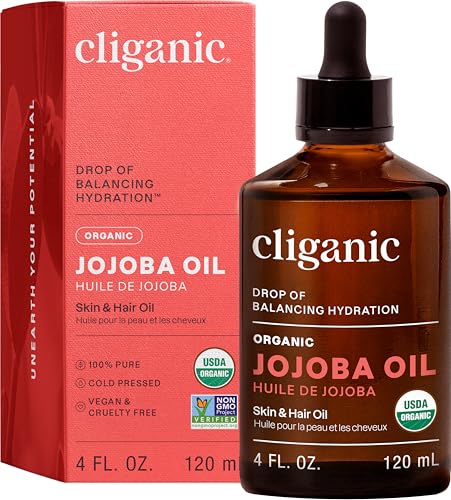
Cliganic Organic Jojoba Oil is a 100% pure, single-ingredient oil that is hexane-free and USDA organic certified. Its lightweight, non-greasy texture closely mimics skin’s natural sebum, helping to balance oil production and support hydration without clogging pores. This makes it a versatile base or finishing oil for acne-prone skin, suitable for facial applications, hair, and nails.
Key features include: USDA organic certification, pure and single-ingredient formulation, and a focus on maintaining skin balance. For acne-prone skin, jojoba can help regulate oiliness and provide a protective moisture barrier that supports healing without contributing to breakouts.
Fiora Naturals Tea Tree Oil Roll On

This roll-on blends 100% pure tea tree oil with hydrating jojoba oil for easy, on-the-go spot treatment. Tea tree oil is known for its natural antiseptic properties, which can help reduce the appearance of blemishes when used sparingly. The jojoba base helps keep the skin balanced without adding heavy oils that may worsen clogged pores.
Usage guidance: apply a small amount directly to affected areas as part of a careful routine. As with any essential oil, consider a patch test and avoid sensitive areas around the eyes. Tea tree oil is a focused treatment rather than a full-face moisturizer.
GuruNanda Castor Oil (8 Fl oz)

Castor oil is a thicker carrier oil that can help lock in moisture and support skin healing. When used in moderation, it may assist in maintaining a balanced moisture barrier on acne-prone skin. Castor oil can also be added sparingly to blends for scalp or eyebrow care. The product is 100% pure, cold-pressed, and hexane-free, aligning with clean beauty standards.
Careful use is advised for facial skin due to its viscosity. Begin with a small patch test and dilute with lighter oils if needed to avoid excessive heaviness on the skin.
Handcraft Blends Grapeseed Oil

Grapeseed oil is a lightweight, highly absorbent carrier that can help moisturize without leaving a heavy residue. It contains vitamin E and fatty acids that support skin health and may aid in maintaining clear pores. Its light texture makes it a popular base for acne-focused serums or blends with other essential oils.
Dermatologists note grapeseed oil’s suitability for many skin types, including oily and acne-prone complexions. When used alone or in blends, it is typically applied sparingly to facial skin and avoided near the eye area.
Cliganic Organic Rosehip Seed Oil

Rosehip seed oil is rich in essential fatty acids and antioxidants that support skin renewal and the look of scars or dark spots. While not a primary acne treatment, rosehip oil can be incorporated into a balanced routine to aid in skin texture and hydration. This option is 100% pure and organically certified, aligning with clean skincare practices for sensitive or acne-prone skin.
Usage notes: apply a few drops to clean skin, focusing on areas with uneven texture or post-inflammatory changes. It’s often used at night due to its nourishing profile and for compatibility with other oils in a multi-step regimen.
Buying Guide: Key Purchase Considerations For Acne-Prone Skin
- Oil type and texture: Lighter carrier oils (like grapeseed or jojoba) are typically better for oily, acne-prone skin, while fuller textures (like castor) can be used in small amounts or diluted.
- Purity and processing: Choose cold-pressed, hexane-free oils with minimal ingredients. Organic certification may provide added confidence in quality and purity.
- Patch testing: Always perform a patch test to check for irritation or allergies before applying oils to the face, especially for sensitive or breakout-prone skin.
- Usage approach: Use oils as part of a balanced routine—either as a light moisturizer, a targeted spot treatment, or a blending base with other non-irritating ingredients. Start with small amounts and observe how your skin responds.
- Blends vs single ingredients: Single-ingredient oils offer purity and predictability. Blends can provide targeted benefits (e.g., tea tree with jojoba for blemishes) but require careful formulation to avoid clogging pores.
- Allergic considerations: Some individuals may react to essential oil components. If using essential-oil-containing products (like tea tree), dilute appropriately and avoid sensitive areas.
- Storage and shelf life: Store away from light and heat to preserve potency. Check for any changes in odor or color, which could indicate degradation.
- Pairings with skincare: Consider compatibility with your existing routine—some oils pair well with non-comedogenic serums and moisturizers designed for acne-prone skin.
- Ethical and labeling confidence: Look for brands with clear labeling, organic certifications, and transparent sourcing to ensure you’re getting clean, safe products.
In summary, selecting a carrier oil for acne involves weighing texture, purity, and how your skin responds to each option. Jojoba, grapeseed, tea tree (as a targeted addition), castor in moderation, and rosehip seed oil each offer distinctive benefits. When used thoughtfully, these oils can support hydration, balance, and clarity as part of a comprehensive skincare routine.