Best Diode Laser Hair Removal Devices for at-Home Use
The DermRays V8S is best for shoppers seeking a home-use 810nm diode laser device with a wide treatment window and automatic flashing; the V4S offers similar listed features with a slower flash rate. For shoppers considering other approaches, the INNZA uses IPL rather than diode laser technology, while the Epilaser listing describes a follicle-targeting option intended for darker skin tones. Compare technology, skin-tone guidance, safety features, and the treatment schedule before choosing.
| Product | Best suited for | Technology or key feature |
|---|---|---|
| DermRays V8S | Faster at-home sessions | 810nm diode laser; up to 161 flashes per minute |
| DermRays Wide-Angle 810nm | Buyers prioritizing speed and cooling | 810nm diode laser; contact sensor |
| DermRays V4S | Buyers comparing another DermRays model | 810nm diode laser; up to 100 flashes per minute |
| INNZA IPL | Buyers open to IPL instead of diode laser | IPL; ice-cooling function |
| Epilaser 980 | Buyers seeking a device described for darker skin | SPOT follicle-targeting technology |
DermRays V8S 810nm Diode Laser

Best for: Buyers who want a wide treatment window and faster listed flash rate for at-home sessions. The V8S is described as using 810nm diode laser technology and is intended for skin tones 1–5 according to its product name.
Its listed features include a 30-by-10mm nozzle, up to 161 flashes per minute, continuous-flash Auto Mode, a skin-contact sensor, and a cooling feature. The listing says full-body treatment may take 15 minutes, but actual session time can vary with the area and user routine. It also recommends following the usage guidelines for at least three months for noticeable effects.
Why it was selected: It combines the highest stated flash rate among the listed DermRays diode models with contact sensing and cooling. Limitation: Results require repeated use; the listing does not promise immediate hair removal.
DermRays Wide-Angle 810nm Device

Best for: Buyers comparing a wide-window home-use diode device with a cooling feature and automatic flashing. The listing describes 810nm technology, a 30-by-10mm nozzle, up to 161 flashes per minute, and a skin-contact sensor. It also identifies the device for skin tones 1–5.
Why it was selected: Its listed treatment window and flash rate match the V8S, making those specifications useful points of comparison. Auto Mode is intended to reduce repeated button presses during treatment. The product description also says goggles, creams, or gels are not needed; users should still read the complete instructions and safety guidance before use.
Limitation: The product information provided does not give a recommended treatment duration or report an FDA clearance. Do not assume it has the same regulatory status as another model.
DermRays V4S Home Diode Laser
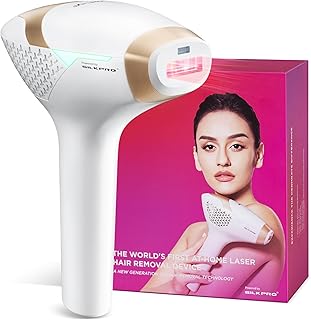
Best for: Buyers who want to compare an additional DermRays 810nm model with a skin-contact sensor and cooling feature. Its product name specifies skin tones 1–5, and the description identifies the device as FDA-cleared. Verify the current product labeling and instructions for details.
The V4S lists a 30-by-10mm treatment window and up to 100 flashes per minute, compared with up to 161 flashes per minute for the V8S and the other wide-angle DermRays model here. It also has continuous-flash Auto Mode. The listing recommends at least three months of use for noticeable effects.
Why it was selected: It gives shoppers a diode option with many of the same listed features at a lower flash rate. Limitation: The slower stated rate may be less convenient for buyers who prioritize the quickest possible sessions.
INNZA IPL With Ice Cooling

Best for: Shoppers willing to consider IPL as an alternative to diode laser hair removal. This device is explicitly described as IPL, with a listed wavelength of 600nm, energy of 5J/cm², an ice-cooling function, and 999,999 flashes.
Why it was selected: It offers a different light-based approach and a stated treatment schedule: two to three times weekly during weeks one through three, weekly during weeks four through six, then monthly for maintenance. That schedule may help buyers compare routine demands with the DermRays listings.
Limitation: IPL is not diode laser technology, so this is not a direct substitute for someone specifically seeking a diode device. The listing’s results claims should not be treated as guaranteed outcomes.
Epilaser 980 Dark-Skin Device

Best for: Buyers researching at-home hair removal options specifically described for darker skin tones. The listing says its SPOT technology identifies hair follicles without targeting melanin and describes a camera system that avoids moles, freckles, and sunspots.
Why it was selected: Skin tone is an important consideration when evaluating light-based hair-removal devices, and this product’s description directly addresses darker skin. It says four gentle lasers target 12–15 follicles at a time.
Limitation: The provided product details do not specify an 810nm diode wavelength or provide skin-tone ranges, so shoppers seeking a conventional diode laser should verify the technology and suitability before buying. Treat safety and performance statements as manufacturer claims.
Buying Guide
What should you compare in diode laser devices?
Check the stated wavelength, skin-tone range, treatment-window size, flash rate, and safety features. In this selection, the DermRays diode models list 810nm technology and skin tones 1–5. The V8S and wide-angle model state up to 161 flashes per minute, while the V4S states up to 100. A larger window and faster rate may make coverage more convenient, but neither specification guarantees a particular result.
Does IPL mean the same thing as diode laser?
No. The INNZA is described as IPL, while the DermRays models are described as diode laser devices. Compare products within the technology category you intend to use, and follow each model’s directions rather than assuming treatment schedules or suitability are interchangeable.
How should you evaluate skin-tone suitability and safety?
Use the exact skin-tone guidance in a device’s current instructions. A contact sensor and cooling feature are listed on several DermRays models, but they do not replace reading safety directions. Ask a qualified healthcare professional if you are unsure whether a light-based device is appropriate for your skin or treatment area.
How long does at-home treatment take?
Time depends on the device, treatment area, and routine. Some DermRays listings estimate 15 minutes for full-body treatment, while the INNZA listing specifies repeated sessions over several weeks. Follow the schedule supplied for the chosen device and expect that noticeable results may require consistent use.
Frequently Asked Questions
Which listed device is specifically a diode laser?
The DermRays V8S, DermRays wide-angle 810nm device, and DermRays V4S are described as diode laser devices.
Which product lists the highest flash rate?
The V8S and the DermRays wide-angle 810nm device each list up to 161 flashes per minute.
Is the INNZA device a diode laser?
No. Its product description identifies it as an IPL hair removal device.
Do these devices remove hair in one session?
The listings describe repeated use or maintenance schedules. They do not establish that one session will remove hair permanently.
Which option is described for darker skin tones?
The Epilaser listing describes SPOT technology intended to target follicles without targeting melanin. Confirm suitability and instructions with the manufacturer before use.