Best Dyes for Wigs: Achieve Bright, Lasting Color on Synthetic and Natural Fibers
Choosing the right dye for wigs requires understanding fiber type, dye compatibility, and the look you want to achieve. This guide focuses on dyes that work well with common wig materials, including synthetic fibers and natural blends. Each product below is selected for versatility, ease of use, and color results that hold up to styling and wear. Use the buying guide to compare options and select the dye that best fits your wig project.
| Product | Brand | Color / Type | Ideal For |
|---|---|---|---|
| Rit DyeMore Single Bottle 7 Oz. Synthetic Liquid Fiber Dye – Graphite | Craft County | Graphite (synthetic) | Synthetic wigs, fabric, decor projects; coating dark neutrals on polyester blends |
| Rit DyeMore Liquid Dye, Tropical Teal | Rit | Tropical Teal (synthetic) | Polyester-rich wigs, blends; bright teal tones |
| Rit DyeMore Synthetic 7oz-Racing Red | Rit | Racing Red (synthetic) | Vivid reds on synthetic fibers and blends |
| Jacquard Acid Dye 1/2oz Jar Russet | Jacquard | Russet (acid dye) | Protein fibers; suitable for wigs made from wool, alpaca, silk; can color nylon wigs |
| Brown for Natural Fabrics Polyester and Nylon iDye (Jacquard) | Jacquard | Brown (polyester and nylon compatible) | Synthetic wigs; polyester or nylon components; dissolvable packet for neat preparation |
Rit DyeMore Single Bottle 7 Oz. Graphite

The Graphite dye from Rit DyeMore is designed for synthetic fabrics and blends, including polyester, acrylic, and acetate. It supports wide coverage and absorption, making it suitable for a variety of wig-related projects—from refreshing a dull wig to coordinating tones across different wig fibers. Techniques like tie-dye or dip-dye can yield modern, nuanced results. Use a washing machine, plastic container, or stainless-steel sink to start.
Rit DyeMore Liquid Dye Tropical Teal

Designed for fabric blends with 35% or more polyester, this dye delivers vibrant teal hues on synthetic wig fibers. It’s best used on a stove-top setup in a stainless-steel pot to maintain a consistent temperature. Note that this dye is not for washing machines. Rit provides numerous color recipes online, so you can tailor the teal to a wig gradient, ombré, or a monochrome look.
Rit DyeMore Single Bottle 7 Oz. Graphite
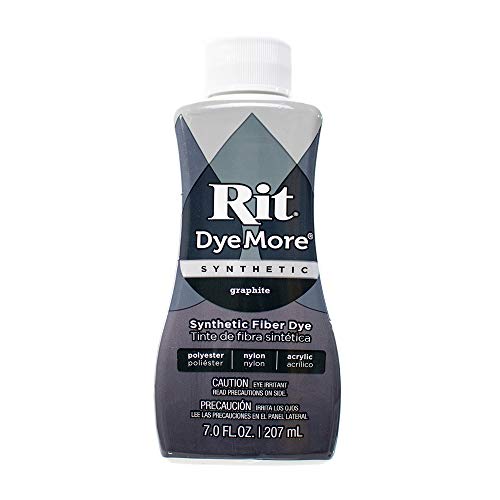
This graphite version is another synthetic-friendly option from Rit DyeMore. It supports deep, neutral tones on polyester and similar fibers, making it suitable for wigs with dark undernotes or for creating a modern, industrial palette. Like other Rit DyeMore products, prepare in a stainless-steel pot with careful temperature control for best results.
Rit Dye More Synthetic 7oz-Royal Purple

The Royal Purple option offers a bold, vibrant purple on synthetic wigs and fibers with high-polyester content. The dye’s synthetic-focus supports strong color payoff on wig cap materials that may resist more delicate dyes. Apply with careful heat control and test on a hidden area or swatch before full coverage.
Brown iDye Poly for Polyester & Nylon

iDye Poly is recognized for coloring polyester and other synthetic fibers, making it a practical choice for wigs with polymer-based components. The dissolvable packet simplifies preparation: drop the packet into a pot of water, add the wig or fiber, and simmer. It’s ideal for achieving rich browns on synthetic wig fibers without dealing with messy powders.
Product-Specific Notes
When dyeing wigs, always consider fiber type, heat tolerance, and desired finish. Protein-based wigs (like real hair) respond differently from synthetic wigs; acid dyes are typical for protein fibers, while Rit DyeMore and iDye Poly cater to synthetics. For multi-tone looks, plan swatches and sample runs to avoid uneven coloring. Always perform a color test on a small, inconspicuous area or a separate wig cap before proceeding.
Buying Guide: Key Purchase Considerations for Wig Dyes
- Fiber compatibility: Determine whether the wig is synthetic, natural, or a blend. Synthetic wigs usually respond best to Rit DyeMore or iDye Poly; natural fibers may require acid dyes like Jacquard Acid Dye.
- Color goals: Decide between solid, gradient, or tie-dye effects. Bright, saturated dyes are more predictable on synthetics, while natural fibers may require longer dye times or different mordants.
- Temperature and method: Some dyes require stovetop dyeing in stainless steel pots; others are machine-safe for synthetic fabrics. Follow the product’s instructions for temperature and duration.
- Wash and care: After dyeing, rinse until water runs clear and set the color with appropriate heat or steam according to the dye type. Some dyes require heat-set methods to improve colorfastness.
- Safety: Use gloves, ventilated areas, and follow label directions. Some dyes have strong pigments; avoid contact with eyes and skin beyond the recommended exposure.
- Colorfastness and longevity: Synthetic dyes often resist fading with heat treatment and styling tools when properly set. Test a small swatch under heat to gauge durability.
- Availability and recipes: Rit offers numerous color recipes online, enabling customized blends. Jacquard products vary by fiber and dye class, so check compatibility with wig materials.
- Ease of use: Liquid dyes tend to mix readily and cover larger areas, while acid dyes may require more precise handling for protein fibers or nylon wigs.
- Budget considerations: A single bottle of dye can color multiple wig sections, but you may need more for full-length wigs or drastic color changes. Compare coverage and application recommendations.
- Safety for cosplay and wigs: For cosplay wigs, consider dyes that can produce vivid, uniform tones and can be washed without compromising wig fibers or lace fronts.
Note: This guide emphasizes objective, material-focused dye choices for wigs. Always verify fiber content on the wig’s care label or original packaging and test on a small sample before committing to full-color application.