Best Hyaluronic Acid for Acne: Hydration-Packed Serums to Balance Oily, Acne-Prone Skin
People with acne-prone skin often battle dryness and excess oil simultaneously. Hyaluronic acid (HA) serums provide light, non-greasy hydration that helps improve skin texture, reduce flakiness, and support the skin’s moisture barrier without clogging pores. This guide highlights five well-regarded HA serums, each with distinct benefits—some combine ceramides, vitamins, or salicylic acid—to address both hydration and acne concerns. The selections below are chosen for American shoppers seeking science-backed ingredients, lightweight textures, and compatibility with routine acne treatments.
Summary of chosen products:
- The Ordinary Hyaluronic Acid 2% + B5 (with Ceramides) — Multi-depth hydration with barrier support.
- CeraVe Hyaluronic Acid Serum with Vitamin B5 and Ceramides — 24-hour hydration with MVE technology.
- Good Molecules Hyaluronic Acid Serum — Dual-weight HA for multi-layer penetration.
- ANUA Azelaic Acid 10 Hyaluron Serum — Calming, hydrating formula for sensitive skin and breakouts.
- Asterwood Hyaluronic Acid Serum — Hydration sandwich concept for plumper skin and reduced fine lines.
The Ordinary Hyaluronic Acid 2% + B5 (with Ceramides)
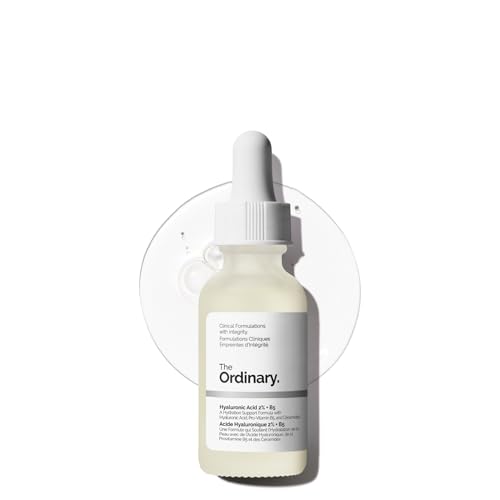
The Ordinary Hyaluronic Acid 2% + B5 (with Ceramides) delivers multi-depth hydration, helping to smooth and plump the skin. The formula pairs hyaluronic acid with vitamin B5 and ceramides to support moisture retention and reinforce the skin’s protective barrier. It’s a lightweight serum designed to layer under moisturizers and makeup, making it a fit for acne-prone complexions that need hydration without heaviness or pore-clogging residue.
Key features include instant hydration, barrier support through ceramides, and a reduction in the appearance of fine lines as the skin maintains moisture. Its simple, clean composition makes it a popular starter for those exploring HA serums as part of an acne management routine. Use on damp skin for best absorption, then seal with a non-comedogenic moisturizer.
CeraVe Hyaluronic Acid Serum with Vitamin B5 & Ceramides

Formulated with the highest concentration of hyaluronic acid from CeraVe, this serum aims to keep skin hydrated while supporting the barrier through ceramides and vitamin B5. The texture is lightweight and gel-like, ideal for layering under moisturizers or sunscreen in an acne regimen. CeraVe’s MVE technology slowly releases moisturizing ingredients, potentially delivering 24-hour hydration. For best results, apply to slightly damp skin to maximize humectant activity, and allow full absorption before applying additional products.
Designed to deliver all-day hydration without a heavy feel, this serum can work well for those with dry patches associated with acne or retinoid use. Despite its hydrating focus, it remains non-greasy and fragrance-free, reducing the chance of irritation for sensitive or reactive skin. It pairs well with oil-control steps and can be a dependable base layer for acne-focused routines.
Good Molecules Hyaluronic Acid Serum

The Good Molecules Hyaluronic Acid Serum features a dual-weight HA formula designed to reach multiple skin depths for deeper hydration and improved plumpness. The lightweight, non-greasy texture makes it suitable for acne-prone skin, as it minimizes the risk of pore clogging while helping to restore moisture and elasticity. Its targeted moisture delivery supports overall skin resilience, which can be beneficial during acne treatments that may temporarily dry the skin.
Clinically oriented language aside, the formulation aims to hydrate without adding heaviness. The serum’s hydrating action can help maintain a supple skin surface, potentially reducing the appearance of fine lines and encouraging a smoother canvas for makeup. For best results, apply to clean skin and follow with a non-comedogenic moisturizer or sunscreen.
ANUA Azelaic Acid 10 Hyaluron Serum

ANUA blends azelaic acid with hyaluronic acid and niacinamide to target redness and soothing relief for troubled and sensitive skin. The azelaic acid component supports calming effects, while the hyaluronic acid delivers long-lasting hydration. The inclusion of niacinamide can help balance uneven tone and minimize irritation, making this formula a practical option for acne-prone users seeking a hydrating serum with additional calming benefits. The product is designed to be lightweight and suitable for daily use, including sensitive skin types.
For acne-prone skin, this serum offers a multi-pronged approach: hydration from HA, anti-inflammatory support from azelaic acid, and barrier-friendly hydration through niacinamide. It suits routines that focus on gentle exfoliation or barrier repair alongside active acne therapies. Patch testing is advised if sensitive skin is a concern.
Asterwood Hyaluronic Acid Serum for Face

Asterwood promotes a plan for hydration with a focus on a plumper, more resilient complexion. The serum describes a “hydration sandwich” approach, layering HA to lock in moisture and improve texture. It emphasizes anti-aging benefits, helping skin appear smoother while maintaining a light form suitable for acne-prone skin. Regular use can contribute to improved elasticity and reduced visibility of fine lines as the skin maintains moisture more effectively.
Users should consider this option if they want a fragrance-free formula with a strong emphasis on deep hydration. The lightweight serum is designed to be absorbed quickly, making it suitable for daytime routines or layering with sunscreen and makeup. As with all HA products, application on slightly damp skin can help maximize hydration delivery.
Buying Guide: Key Purchase Considerations
When selecting a hyaluronic acid serum for acne-prone skin, consider these factors to optimize results and minimize irritation:
- Concentration and molecular weight: Systems with multiple molecular weights target different skin depths, improving hydration and fullness without heaviness. Look for dual-weight or multi-weight formulations for comprehensive hydration.
- Barrier-supporting ingredients: Ceramides, cholesterol, and fatty acids help rebuild the skin’s moisture barrier, which is crucial when the skin experiences dryness from acne treatments.
- Fragrance and irritation potential: Fragrance-free formulas are typically better for sensitive or reactive skin. Patch testing is recommended when introducing a new serum into an acne care routine.
- Additional active ingredients: Some serums include vitamin B5, niacinamide, or azelaic acid to support hydration with anti-inflammatory or pore-clearing benefits. Consider your skin’s tolerance and concurrent products.
- Texture and layering: Gel- or light-water textures absorb quickly and layer well under moisturizers and sunscreens, which is favorable for daytime routines.
- Suitability with acne treatments: If you use retinoids, benzoyl peroxide, or salicylic acid, start slowly and observe how hydration serums interact with these active ingredients to prevent over-drying.
Purchasing Considerations and Comparisons
– The Ordinary product is a straightforward, budget-friendly option with ceramides, ideal for those who want a simple routine without extra fragrance or complex textures. Its multi-depth hydration supports smoothness while aiding barrier endurance.
– CeraVe’s serum emphasizes long-lasting hydration through MVE technology and a fragrance-free profile, which is beneficial for sensitive or dry acne-prone skin needing consistent moisture.
– Good Molecules focuses on a dual-weight HA strategy that promotes deep hydration without heaviness, a strong pick for those seeking a light, fast-absorbing serum with broad compatibility.
– ANUA blends azelaic acid with hyaluronic acid and niacinamide, offering redness soothing alongside hydration, which may appeal to reactive or inflamed acne-prone skin seeking calming effects.
– Asterwood promotes a hydration-centric approach with a “sandwich” technique, oriented toward users who want a plumper appearance and smoother texture without an oily feel.
Practical Usage Tips
– Apply serums to freshly cleansed skin, ideally while skin is still slightly damp to maximize humectant performance.
– Follow with a non-comedogenic moisturizer and, in daytime, sunscreen to protect treated skin from UV exposure and potential irritation from acne products.
– If you are using prescription acne therapies, introduce new serums gradually to avoid irritation and monitor for any adverse reactions.
– For sensitive skin, start with a small amount and observe how the skin responds before increasing frequency of use.
These HA serums provide versatile options for acne-prone and oilier complexions that still need moisture. By selecting a formula that combines hydration with barrier support or gentle anti-inflammatory ingredients, you can maintain skin health while managing acne more effectively.