Best Laura Mercier Blending Brushes for Face and Eyes
The best Laura Mercier blending brush depends on where you plan to apply makeup: the foundation brush is designed to blend base makeup, while the crease and finishing brushes target eye shadow. For cheeks and décolleté, the face and cheek brushes offer different approaches to distributing color. Compare the listed brush features below to match a tool to your routine.
| Brush | Best For | Key Feature |
|---|---|---|
| Foundation Brush | Blending foundation | Designed for streak-free coverage |
| Crease Eye Brush | Applying crease color | Broad base and tapered bristles |
| Finishing Eye Brush | Buffing eye color | Sculpted synthetic fibers |
| Face Brush | Face and décolleté color | Duo-length synthetic fibers |
| Cheek Brush | Blending cheek color | Full, round bristles and tapered head |
Foundation Brush For Blending Base Makeup

This artist-inspired brush is intended to melt foundation into the complexion for a skin-like finish. Its custom-designed shape is described as absorbing formula without wasting product and helping deliver streak-free coverage. The product listing says it pairs with Laura Mercier foundations.
Best for: Buyers seeking a dedicated brush for blending foundation rather than applying eye or cheek color. It is the strongest match in this selection for a base-makeup routine because its stated purpose is foundation application.
Limitation: The listed use focuses on foundation, so choose another brush if your main goal is crease work or blending cheek color.
Tapered Brush For Eye Crease Color

This soft eye brush is designed to apply eye shadow to the crease. Its broad base and tapered bristles combine a wider brush shape with a narrower tip for more targeted placement. The listed description calls the texture soft and luxurious, and says the brush can be used with any eye shadow.
Best for: Buyers who want a brush specifically shaped for crease application. Choose this if targeted placement matters more than a brush intended to buff color across the entire eye area.
Limitation: The stated purpose centers on crease shadow, so it may not be the right pick if you need a face brush or a general foundation tool.
Finishing Brush For Buffing Eye Color

The Finishing Pony Tail Brush has sculpted synthetic fibers that act as a reservoir to pick up and release product. The listed description says the fibers gently buff and deliver color for a smooth, even final look. This makes it distinct from the crease brush, which is described around targeted shadow application.
Best for: Buyers looking to buff eye color and refine its finish. Choose this brush if you want the listed reservoir-style pickup and release action rather than a brush focused on crease placement.
Limitation: Its described role is finishing eye makeup, not applying foundation or distributing face color.
Duo-Fiber Brush For Face And Décolleté
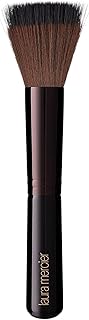
This brush uses two lengths of synthetic fibers to apply and blend face color. The shorter fibers pick up and hold product, then release it onto the skin; the longer fibers buff and even out the application. The listed uses include applying color and shimmer to the face and décolleté.
Best for: Buyers who want one brush for buildable face color and shimmer across the décolleté. Its two fiber lengths make it a better fit for buffing and evening color than for precise eye work.
Limitation: The product description focuses on face and décolleté application, so it is not the specialized choice for foundation or eye shadow.
Tapered Cheek Brush For Blended Color

This cheek brush has full, round synthetic bristles intended to distribute color evenly for a smooth, natural finish. Its short handle is described as offering control, while its tapered head gently blends color onto the face. The listing also notes use for accentuating a tan.
Best for: Buyers who want a cheek-focused brush with a tapered head for blending. Choose it over the duo-fiber face brush if your main need is controlled cheek color application.
Limitation: Its listed purpose is cheek and face color, not foundation coverage or detailed eye makeup.
Buying Guide: How To Choose A Blending Brush
What are you applying?
Start with the makeup product and area. For foundation, the foundation brush is the direct match. For crease shadow, choose the tapered eye brush. For buffing eye color into a smooth-looking finish, consider the Finishing Pony Tail Brush. The face brush is described for color and shimmer on the face and décolleté, while the cheek brush is tailored to cheek color.
Do you need precision or broader blending?
A tapered shape can help direct application, as described for both the crease and cheek brushes. The duo-fiber brush uses shorter fibers to pick up and release product and longer fibers to buff it. Compare these stated designs with the placement and blending action you want.
Should you choose synthetic fibers?
Three listings specifically mention synthetic fibers or bristles: the duo-fiber face brush, cheek brush, and Finishing Pony Tail Brush. If fiber material is an important buying criterion, check the individual product details before ordering; the provided descriptions do not specify the fiber type for every brush.
Frequently Asked Questions
Which brush is best for blending foundation?
The foundation brush is the clearest choice because its description specifically mentions blending foundation and delivering streak-free coverage.
Which brush is designed for eye shadow in the crease?
The tapered eye brush is described for crease application, with a broad base and tapered bristles for placement.
What is the difference between the two eye brushes?
The crease brush is described for applying shadow to the crease. The Finishing Pony Tail Brush is described for picking up, releasing, and buffing eye color for an even final look.
Which brush can apply shimmer to the décolleté?
The duo-fiber face brush is specifically described for applying color and shimmer to the face and décolleté.
Which brush is intended for cheek color?
The cheek brush is designed to distribute color across the face, with a tapered head that gently blends cheek color.