Best Primer for Acne-Prone Skin Dermatologist Recommended
Choosing a makeup primer for acne-prone skin involves balancing pore blurring, oil control, and skin-friendly ingredients. This guide highlights dermatologist-recommended options that help prep skin without triggering breakouts, while extending makeup wear. Each pick focuses on non-irritating formulas, breathable textures, and ingredients that support clear, comfortable skin throughout the day.
| Product | Brand | Key Benefit |
|---|---|---|
| e.l.f. Poreless Face Primer | e.l.f. | Blur pores; Tea Tree & Vitamins A & E |
| Milani Face Primer Erase Base Blemish | Milani | Salicylic Acid; oil control; mattifying |
| Fifth & Skin Mineral Primer | Fifth & Skin | Organic botanicals; non-greasy; pore-minimizing |
| Your Skin But Better Primer+ | IT Cosmetics | Hydrating; refines pores; oil-free |
| Derma E Vitamin C Luminous Primer | Derma E | Vitamin C brightening; hydrates; blurs pores |
e.l.f. Poreless Face Primer

This primer offers a smooth canvas for long-lasting makeup, designed to blur pores and fine lines while delivering a breathable base. Infused with Tea Tree and vitamins A & E, it aims to support skin health while providing an acne-prone friendly base for foundation.
Key features: All-day wear; restorative ingredients; ideal makeup base for glowing, smooth skin.
Milani Face Primer Erase Base Blemish

Milani’s formula focuses on blemish control with 2% salicylic acid to help keep pores clear and reduce shine. The matte finish is suitable for oily or acne-prone skin, pairing well with a range of foundations for a lasting, smooth appearance.
Key features: Blemish control; matte finish; SPF 30 option depending on version; suitable for oily skin.
Fifth & Skin Mineral Primer
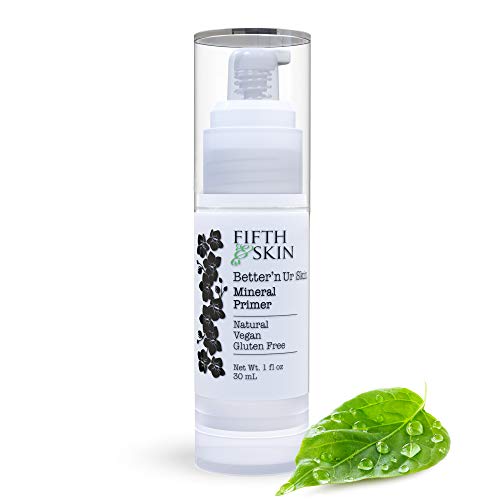
This natural, organic primer uses botanical ingredients to hydrate and minimize the appearance of pores and fine lines. The non-greasy, hypoallergenic formula is designed for all skin types and is free from common irritants, making it a solid choice for acne-prone complexions.
Key features: Organic & vegan; non-greasy; minimizes pores; fragrance-free options often available.
IT Cosmetics Your Skin But Better Primer+

Hydrating and oil-free, this primer grips makeup for extended wear while refining pores. Its glycerin-based formula includes botanical extracts that support skin texture without clogging pores, a common concern for acne-prone users.
Key features: Hydrating, oil-free; pore refinement; makeup-gripping base.
Derma E Vitamin C Luminous Primer

This 2-in-1 primer brightens and blurs with stabilized Vitamin C, Hyaluronic Acid, and Aloe Vera. The non-silicone formula focuses on hydration and glow while reducing the visibility of pores, making it a suitable base for makeup on acne-prone skin seeking a luminous finish.
Key features: Brightening with Vitamin C; hydration boost; pore blurring; suitable for all-day wear.
Buying Guide: Key Purchase Considerations
- Oil control vs. hydration: For oilier, acne-prone skin, seek mattifying or oil-free primers that still offer hydration via humectants like glycerin or hyaluronic acid.
- Formulation type: Non-silicone formulas can feel lighter on sensitive skin; silicone-based primers often blur but may irritate some.
- Acne-friendly ingredients: Tea tree, salicylic acid (at low, gentle levels), vitamin C, and aloe vera can support clear skin while prepping for makeup.
- Shade and finish: Clear or universal-tint primers prevent color casts; matte or natural finishes help control shine without looking flat.
- Allergy and sensitivity considerations: Fragrance-free or hypoallergenic options reduce irritation risk for breakout-prone skin.
Comparative Considerations
- Best for pore blurring: e.l.f. Poreless, IT Cosmetics Your Skin But Better Primer+
- Best for blemish-prone skin with acne care: Milani Erase Base Blemish, Derma E Vitamin C Primer
- Best natural/organic option: Fifth & Skin Mineral Primer
- Best hydrating/brightening option: Derma E Vitamin C Luminous Primer
All selected products target acne-prone skin with a focus on minimizing pores, controlling oil, and delivering a smooth base for makeup. When testing primers, consider patch testing on a small area to gauge compatibility with your skin type and any sensitivities.